

Material Series: Bark Cloth From Trees

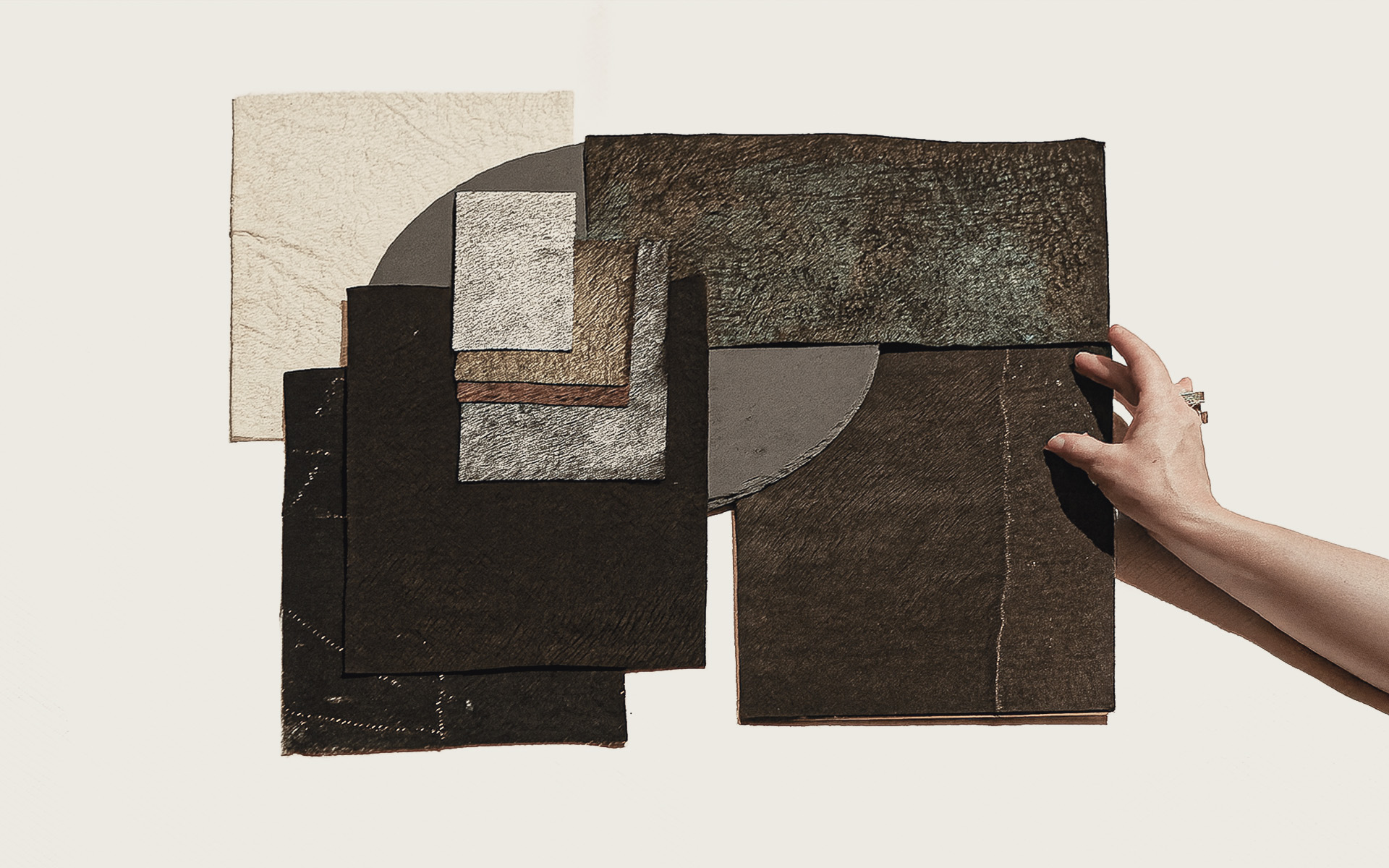
This week’s Material Series entry is one of those discoveries that instantly messes with your material intuition: bark cloth — a textile that isn’t woven, knitted, or braided, but grown.
Bark cloth comes from the Mutuba tree (Ficus natalensis) in Uganda. The bark is harvested in a way that allows the tree to keep living and regenerating, so the same tree can give material again over time. That “repeat harvest” logic already feels rare in a world where most materials have a very final, extractive story.
Historically, bark cloth has deep cultural roots and ceremonial use in the Buganda Kingdom, and the craft is recognized by UNESCO as intangible cultural heritage. That matters, not as a badge, but because it frames the material as something with lineage — not a trendy surface finish you swap out next season.
What makes it feel different
If leather is “animal memory” and linen is “structured honesty,” bark cloth is something else entirely: compressed softness with a quiet wildness.
- Tactility: It can feel supple and warm, but also dry and papery — depending on thickness and finishing.
- Visual depth: It has a naturally irregular surface. Not “defect irregular,” but alive irregular — like stone with micro-fossils or plaster with a hand-troweled shadow.
- Translucency: Some variants can go slightly translucent, which immediately suggests lighting and layered applications.
- Individuality: Each piece carries its own “map” of fibers and variation. That’s not always convenient for industrial perfection, but it’s gold for design with character.
In short: it’s a material that refuses to be a neutral background. It’s better used as a statement surface or a story layer.
The Mutuba tree isn’t just a source — it’s an ecosystem tool
The Mutuba tree is described as a serious multi-purpose species in East African agroforestry: deep roots, erosion protection, strong canopy, and a role in mixed farming systems (the kind of “layered landscape” logic designers tend to love). The bark cloth production also connects to local income generation, because it’s craft + agriculture + processing, not a single factory step.
Sustainability-wise, the text highlights a CO₂-positive/beneficial balance idea (in the sense that the tree growth and system matter), but I’d keep the takeaway practical and humble:
This is one of the few “luxury-feeling” materials where the story doesn’t have to be guilt-heavy. It’s not perfect, nothing is — but the direction is refreshing.
Where bark cloth fits in contemporary design
Bark cloth sits in a sweet spot between textile, leather, and thin wood veneer — and that hybrid identity is exactly why it’s interesting.
Here are the applications that feel most natural (and most exciting) from a design studio perspective:
1) Interior surfaces with depth
- Wall panels / feature walls (especially where you want warmth without “hotel velvet” vibes)
- Cabinet fronts or sliding panels
- Niche back panels (pair it with soft grazing light and it will do the work for you)
2) Lighting + translucency experiments
- Lampshades (laser-cut overlays, layered perforation, gradient lighting)
- Backlit panels where the fiber structure becomes the graphic
3) Objects that benefit from “imperfect luxury”
- Boxes, trays, frames, book covers, small furniture skins
- Acoustic objects (even visually — bark cloth looks like it could soften sound)
4) Hybrid composites
The material is used in combinations: dyed, laminated, blended, coated (even fire/water protection is mentioned), and combined with fabrics or bio-based components. The point isn’t the tech list — it’s the possibility:
bark cloth can be a surface language, not just a raw sheet.
How we’d use it in interior design and moodboards
Bark cloth is one of those materials that instantly sets a tone. In moodboards it works as a strong “anchor” because it communicates warmth, tactility, and cultural depth without relying on obvious trends. It’s not shiny. It’s not perfect. And that’s exactly why it feels premium.
For interior design projects, it makes sense when you want the space to feel crafted and calm — especially in concepts that sit somewhere between Japandi / wabi-sabi / warm minimal / soft brutalism. It pairs beautifully with:
- limewash, clay plaster, microcement
- dark timber, smoked oak, charred wood notes
- brushed metal, patinated brass, blackened steel
- natural stone with visible texture (travertine, limestone)
- textiles that aren’t too “designed” (linen, wool felt)
Practical places it can actually live (not just look pretty on a sample board):
- feature wall panels or framed surface “islands”
- cabinet / wardrobe fronts (if protected and detailed properly)
- acoustic panels where texture is a benefit
- sliding panels / room dividers (especially if layered)
- headboards and niche backing surfaces with soft grazing light
The key is to treat it like a hero texture — not something you spread everywhere. One well-placed application gives the whole room a deeper, more human feeling.
Bark cloth is uncommon in the best way: it feels like a material from another timeline — ancient, but not nostalgic; natural, but not rustic. It carries craft and ecology without needing to turn the project into a sustainability sermon.
For this Material Series update, the main reason it stayed with us is simple:
It looks like it has lived a life before it even enters the design.
Related Articles


toma
Studio

